Critical Thinking

Straits of IT: Excellence Needs Building Blocks and Blueprints

Building Blocks and Blueprints

Growing Pains

Imagine you run a gas station that is really successful. People come from far and wide to fill up and to take advantage of your world famous homemade pastries. Everyone agrees that your coffee somehow makes the day just a bit better than the coffee from the service station right across the street. Naturally, you decide to expand - you have been doing everything by yourself but scale requires delegation. So you hire new employees, sketch out the need to add more pumps to the lot and even start looking for locations 2 and 3.


Straits of IT: An ARB Doesn't Have to Be a Blockade

The Hidden Governance

The Governance Paradox

IT departments are frequently buffeted by whiplash projects, thrown back and forth between proactive and reactive, while often balancing capacity. Eventually someone will propose some form of Architecture Review Board (ARB).

The IT goal - prevent the sprawl of technology, get visibility into projects before IT resources are needed or committed, maintain a strong security posture, reduce technical debt and prevent integration problems or redundancies.

Straits of IT: Why Most IT Organizations Never Escape Reactive Mode

Navigating the Digital Straits

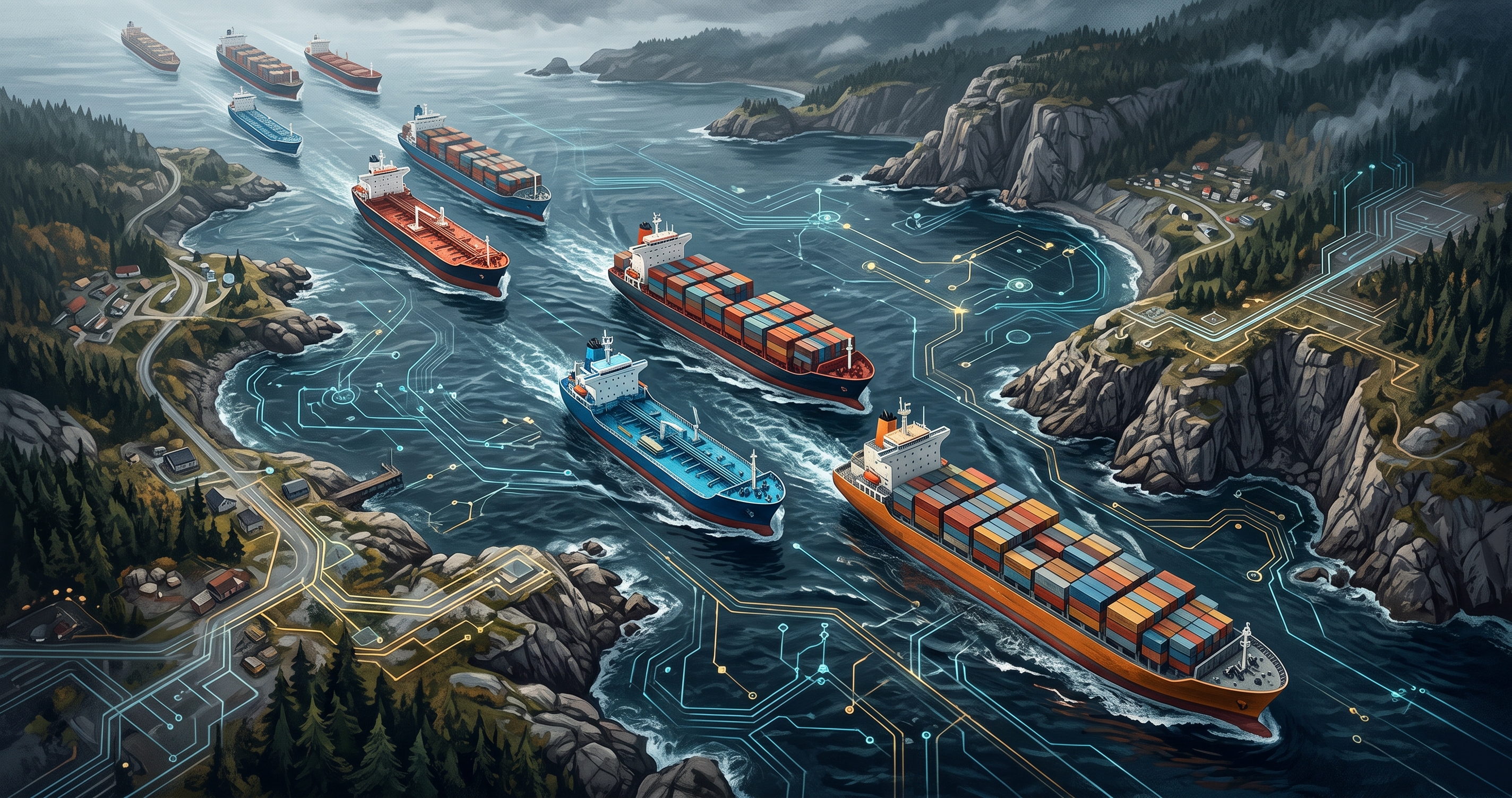
Narrow constrained channels are not necessarily a problem. The Strait of Hormuz is a high capacity corridor that provides a far more efficient route for Gulf products to world markets than other realistic alternatives. The same geography that makes the passage strategically sensitive also makes it economically valuable. If it were not the shortest or most useful route, so much trade would not depend on it.

Straits of It: Hidden Chokepoints and Whiplash IT

Navigating the Digital Straits

🌊 The Chokepoint We Don’t See

The Strait of Hormuz is a name you have been hearing frequently over the last few months, but not one that you likely heard a lot about before the current conflict started between the United States and Iran. It is geographically a very small body of water that controls a very large portion of the flow of global energy, roughly one-fifth of global oil in 2024. When that narrow passage is disrupted, the effects do not remain local. They ripple through energy prices, financial markets, supply chains, and household budgets.

Model Thinker by Scott Page, a Book Review

Model Thinker image by ChatGPT

📖 Book Overview

Title: The Model Thinker: What you need to know to make data work for you

Author: Scott E. Page

Published: 2021 (expanded edition)

Genre/Focus: Popular Science

🧠 Why I Read This

As part of my ongoing Doctoral research into Business, Accounting, and Artificial Intelligence, I sought out this book to deepen my understanding of model-driven thinking—a critical skill for modern leadership. Data models are the often-hidden underpinnings of the Information Age, and much of what people refer to as “AI” today is actually fast, layered modeling. My goal was to sharpen my ability to interpret, apply, and challenge models effectively. The Model Thinker delivered valuable tools that I am already applying in strategic decision frameworks.